


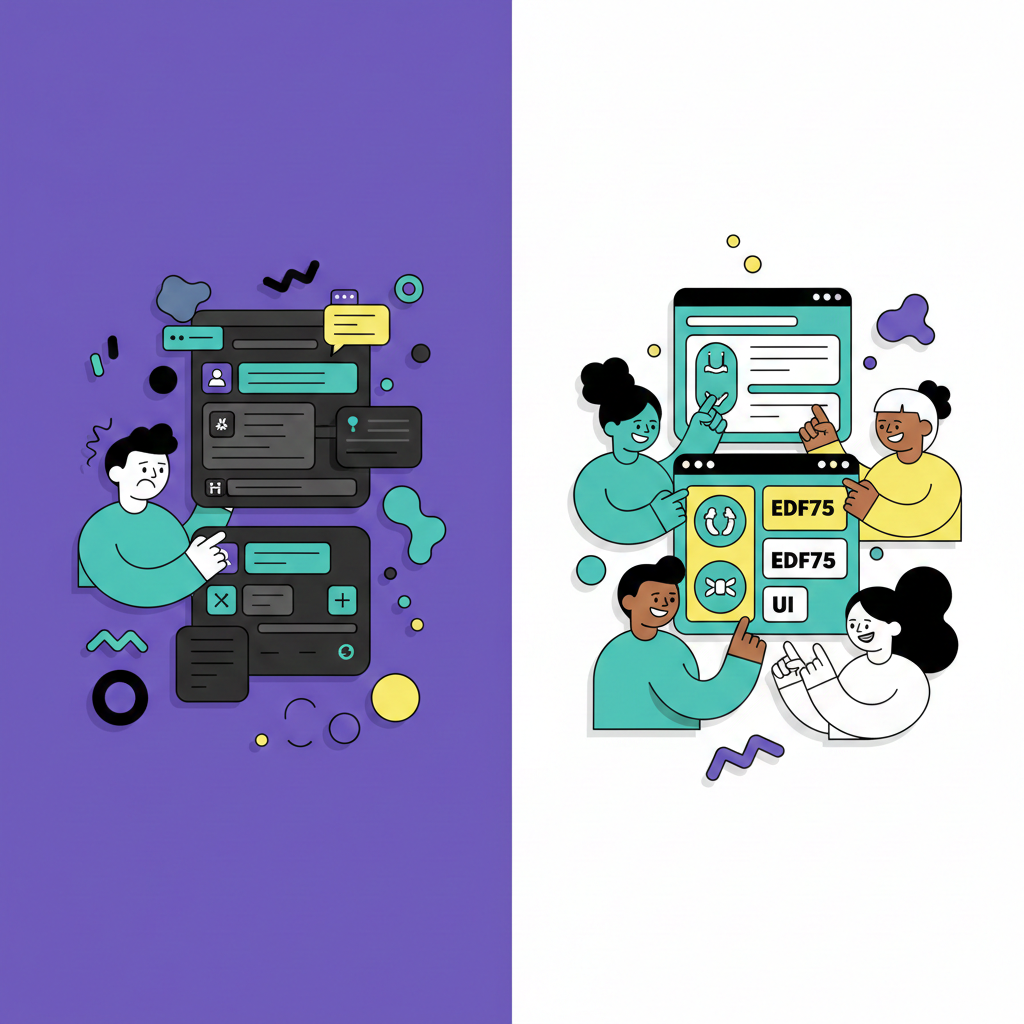
For years, digital accessibility was treated as a “nice-to-have” or a legal chore handled by the dev team at the last minute. In 2026, the script has flipped. Smart brands have realized that compliance-driven UX isn’t just about avoiding lawsuits—it’s the most effective growth engine in the modern digital economy.
When you design for everyone, you don’t just help users with disabilities. You create a streamlined, frictionless experience that appeals to the “average” user, improves search rankings, and taps into an underserved global market with trillions in spending power.
Beyond the Checklist: What is Compliance-Driven UX?
At its core, compliance-driven UX is the practice of integrating legal accessibility standards (like WCAG 2.2) directly into the user experience design process from day one. It moves accessibility from a “patch-on” solution to a foundational strategy.
This approach ensures that your website or app is perceivable, operable, and understandable for all users. Whether someone is using a screen reader, navigating via keyboard, or browsing in high-glare sunlight, a compliant design ensures they can complete their journey without frustration.
1. Expanding Your Total Addressable Market (TAM)
The most immediate ROI of compliance-driven UX is the sheer increase in potential customers. Approximately 16% of the world’s population lives with some form of disability. If your site isn’t accessible, you are essentially closing your doors to over a billion people.
The “Purple Dollar” Impact
The “Purple Dollar” refers to the spending power of disabled households. In 2026, this market is too massive to ignore.
- Global Reach: It is estimated that this demographic controls over $13 trillion in disposable income.
- Loyalty: Users with disabilities are statistically more loyal to brands that provide a seamless, accessible experience.
- The Aging Population: As Baby Boomers and Gen X age, vision and motor impairments become more common. Compliance-driven design ensures you retain your most affluent customers.
2. The SEO Synergy: Google Loves Accessibility
There is a massive overlap between compliance-driven UX and search engine optimization. Google’s algorithms are designed to reward websites that provide a high-quality user experience, and accessibility is a core pillar of that quality.
- Proper Header Structure: Using H1, H2, and H3 tags correctly helps screen readers navigate, but it also helps Google understand your content hierarchy.
- Alt Text for Images: Describing images helps visually impaired users and provides context for Google Image Search.
- Clean Code: Accessible sites generally have cleaner HTML, which leads to faster crawl speeds and better indexing.
- Lower Bounce Rates: When a site is easy to navigate for everyone, users stay longer. High dwell time is a major signal to search engines that your content is valuable.
3. Boosting Conversions Through Frictionless Design
Complexity is the enemy of conversion. Interestingly, the constraints of compliance-driven UX often lead to simpler, more intuitive designs. When you force a design to be navigable by a keyboard or a voice command, you naturally strip away unnecessary clutter.
Simplicity Wins
A compliant site typically features high color contrast, clear typography, and logical navigation. These elements reduce “cognitive load” for every user. Whether a customer is distracted, tired, or in a rush, a simplified UI makes it easier for them to hit the “Buy Now” button.
“Accessibility is often the catalyst for innovation. By designing for the edge cases, we make the experience better for the center.”
4. Mitigating Legal and Reputational Risk
While we focus on growth, we can’t ignore the “defensive” ROI. Legal actions regarding digital accessibility have skyrocketed over the last few years. A single lawsuit can cost a company tens of thousands of dollars in legal fees, not to mention the cost of emergency site remediations.
By adopting compliance-driven UX, you protect your brand’s reputation. In an era of social responsibility, being labeled “inaccessible” can lead to significant PR backlash. Conversely, being a leader in inclusion builds brand equity and trust.
5. Mobile-First and Accessibility-First are the Same Thing
In 2026, the majority of web traffic is mobile. Many accessibility features—such as large touch targets, readable font sizes, and minimal distractions—are exactly what make a mobile site successful.
The Benefits of Overlap
- Contextual Accessibility: Someone using a phone one-handed while holding a coffee has a “temporary disability.” An accessible design helps them.
- Performance: Accessible sites tend to be lighter and faster, which is crucial for users on mobile data or slow connections.
- Future-Proofing: As we move toward more voice-activated and wearable tech, compliance-driven UX ensures your content is ready for non-visual interfaces.
How to Start Implementing Compliance-Driven UX
You don’t need to rebuild your entire site overnight to see results. Here is a simple roadmap to start capturing the ROI of accessibility:
- Audit Your Current Site: Use automated tools to find low-hanging fruit, but follow up with manual testing by real users.
- Train Your Team: Ensure your designers and developers understand that accessibility is a shared responsibility, not just a “QA thing.”
- Prioritize Navigation: Fix your keyboard navigation and focus states first. If a user can’t get around, they can’t buy.
- Write Alt Text: Start adding descriptive text to your most important images and product photos.
- Check Color Contrast: Ensure your text is readable against its background to accommodate users with low vision or those in bright environments.
Conclusion: The New Standard for Success
The era of viewing accessibility as a “compliance headache” is over. In 2026, compliance-driven UX is recognized as a sophisticated growth strategy that improves SEO, increases conversion rates, and opens the door to a trillion-dollar market.
By prioritizing inclusion, you aren’t just doing the right thing—you are doing the smart thing for your bottom line. The businesses that thrive this year will be those that realize a “better experience for some” is actually a better experience for everyone.